
Wine can feel mysterious when you first peek behind the curtain. You swirl, you sniff, you nod like you understand what “structure” means, and you hope nobody quizzes you. I get it. Winemaking sounds technical, but it follows a relatable storyline: farmers grow great fruit, winemakers guide it through a few key steps, and you end up with something delicious in your glass. Once you learn the basics, you start tasting wine with more confidence—and you’ll have a lot more fun talking about it, too. Continue reading to explore how wine goes from the vineyard to your glass.
The Vineyard Does the Heavy Lifting
Winemaking begins long before harvest day. Grape growers make hundreds of small decisions throughout the year that shape flavor. They choose grape varieties that match the site. They manage the canopy by training vines and positioning leaves so clusters receive the right balance of sun and shade. They monitor water carefully, because vines respond to stress in dramatic ways. Too much water can push vines to grow leaves instead of concentrating on fruit. Too little water can slow ripening or shrink berries.
The weather also plays a major role. Cool mornings help retain acidity. Warm afternoons build sugar and ripeness. Wind dries moisture and reduces disease pressure. Soil matters, too, but not in a “magic dirt” way. Soil influences drainage, root depth, and vine vigor, which in turn affect how the grapes ripen. When the vineyard team nails these details, the winery starts with grapes that already taste like something.
Harvest Feels Like a Sprint
Harvest season moves fast. Grapes don’t wait politely while you finish your coffee. Growers and winemakers track ripeness by taste, smell, and numbers. Sugar levels help predict alcohol, but flavor drives the final decision. Winemakers look for ripe skins, balanced acidity, and seeds that taste less like raw green beans and more like something nutty.
Teams often pick early in the morning to keep the fruit cool. Cool grapes stay fresh and stable, giving the winemaker more control at the start. Some wineries pick by hand for gentler handling and better sorting. Others pick by machine for speed, especially when timing matters. Either way, harvest sets the tone for everything that follows.
Crushing Starts the Party
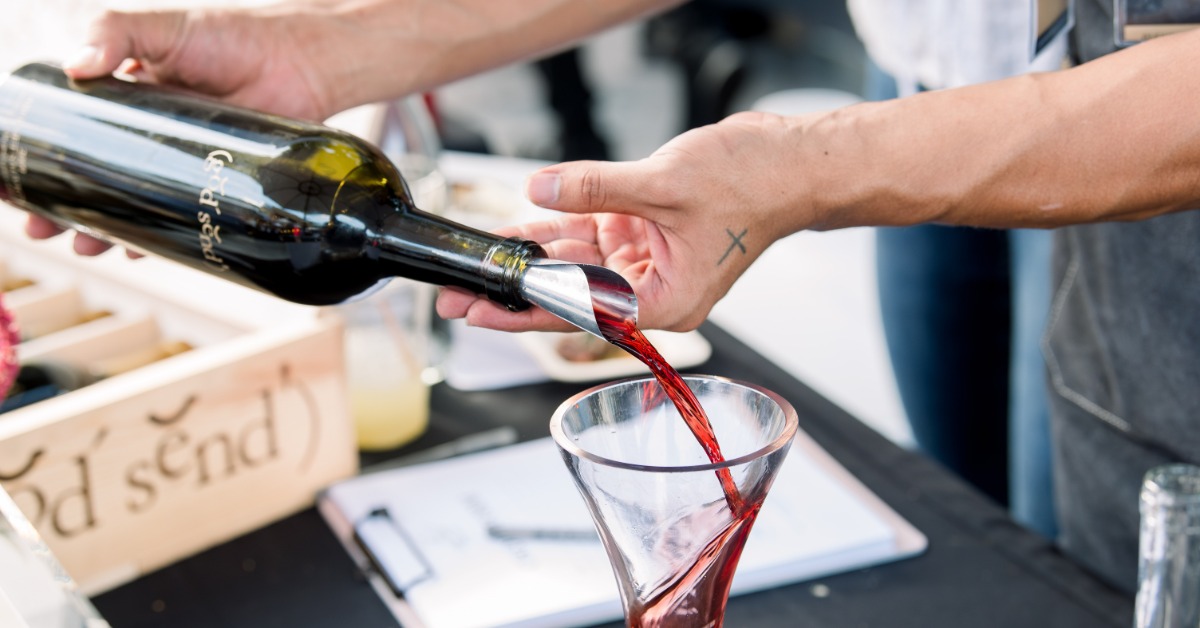
After harvest, grapes go to the crush pad. White and red wines take different paths here, and that difference surprises many people. For many white wines, the winemaker presses the grapes soon after picking to separate the juice from the skins. For red wines, the winemaker usually lets the juice ferment with the skins because the skins carry color, tannin, and many aromatic compounds.
Destemming removes stems, which can add bitterness if they don’t reach full ripeness. Some winemakers keep a portion of whole clusters for texture and spice, but they make that choice deliberately, not by accident. After crushing, you end up with juice for whites or a mixture of skins, seeds, and juice for reds. Winemakers call that red mixture “must,” and yes, it sounds like a medieval beverage for knights.
Fermentation Turns Grape Juice Into Wine
Fermentation sounds intimidating, but it boils down to yeast doing yeast things. Yeast eats sugar and produces alcohol, carbon dioxide, and heat. That heat matters because it can change aroma and extraction. Winemakers manage temperature to protect delicate flavors in whites and to shape structure in reds.
Red fermentation requires a little extra choreography because skins float to the top and form a “cap.” Winemakers punch down the cap or pump juice over it to keep the skins wet and extract color and tannin in a controlled way. This stage can smell amazing or it can smell like a science experiment for a day or two. Fermentation does not care about your feelings.
Pressing and the First Big Decisions
After fermentation, the winemaker separates the wine from solids. For red wines, the winemaker first drains the “free-run” wine, then presses the remaining skins to extract more liquid. Press wine can taste firmer and more tannic, so the winemaker decides how much to include.
For whites, pressing happens earlier, and the winemaker often lets the juice settle so the solids sink. That settling step clarifies the juice before fermentation or early aging. At this point, the wine begins to show its personality, and the winemaker starts making choices that feel more like cooking than chemistry.
Aging Brings Texture and Confidence
Aging shapes flavor and texture. Some wines age in stainless steel to preserve bright, crisp fruit. Others age in oak to add spice, toast, and a rounder mouthfeel. Oak also allows tiny amounts of oxygen to interact with the wine over time, softening edges and building complexity.
Winemakers choose the type of vessel, the age of the barrels, and the length of time. New oak can add a stronger flavor, while neutral oak can add texture without shouting vanilla. Winemakers also “top” barrels to replace wine that evaporates, because they don’t want excess air in the headspace. These details matter and separate good wine from wine that tastes tired.
Blending Feels Like a Playlist
Blending gives winemakers a chance to balance the final wine. They might blend lots from different blocks of a vineyard or combine varieties to create a more complete profile. One lot might bring bright fruit, another structure, and another lift on the finish. Winemakers taste through options, take notes, and build a blend the way a DJ builds a set: with energy, flow, and a strong ending.
Some wines never need blending. A single-vineyard lot can shine on its own. Other wines benefit from a little teamwork. Either way, winemakers guide the wine toward harmony, not confusion.
Bottling Marks the Finish Line
Before bottling, winemakers decide on filtration, fining, and stability. Filtration can polish the wine and remove haze, but it can also strip a little texture if pushed too far. Some wineries bottle with minimal filtration to preserve character and accept a bit of sediment as part of the deal. Bottling locks in the wine’s current state, so timing matters. Bottling too early can trap rough edges, while bottling too late can dull freshness.
After bottling, wine often rests. A short bottle age can help flavors knit together, especially in reds. Then comes the best part: opening it.
How To Taste Like a Normal Person
You don’t need fancy vocabulary to taste wine well. Start with what you notice. Does the wine smell like fruit, flowers, herbs, spice, or something savory? Does it taste light and zippy or rich and round? Do you feel drying tannins on your gums or a crisp snap of acidity along the sides of your tongue? If you can describe a food you love, you can describe a wine.
Try tasting with context. Sip the wine, then take a bite of something salty or creamy. Notice how the flavors shift. Wine loves food, and your palate loves contrast.
A Great Place To Put It All Together
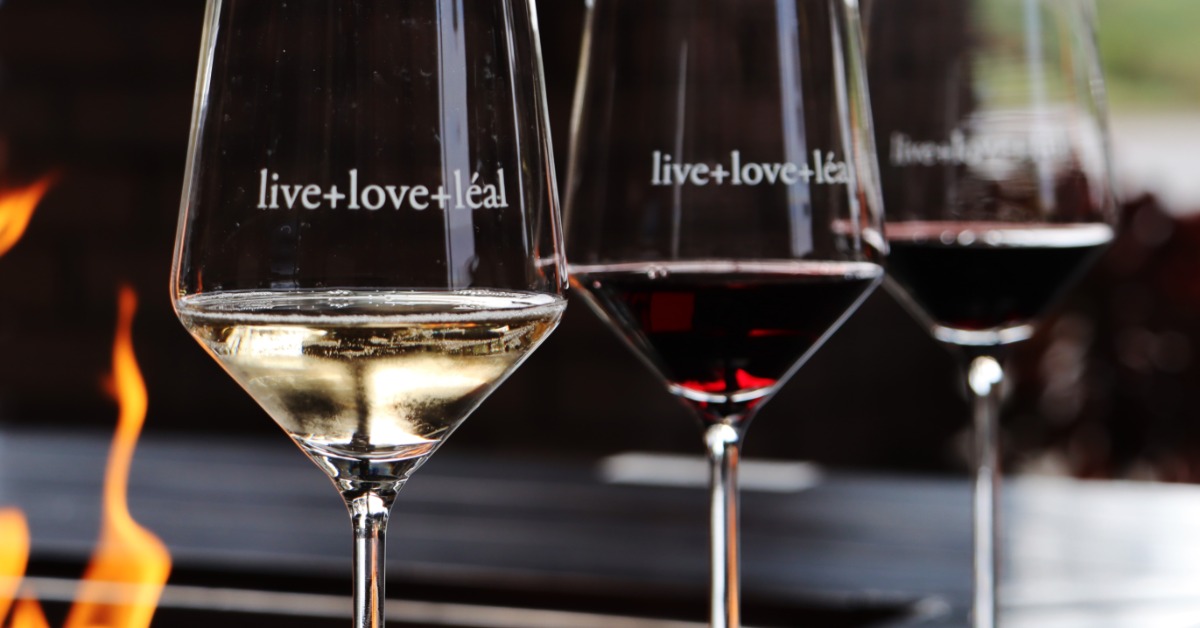
When you want to connect the dots from vineyard to glass, you can’t beat a real-world tasting. You can bring that curiosity to wine tasting in Morgan Hill, California, where the scenery invites you to slow down and savor the moment. MOHI Ranch by Léal offers a relaxed, welcoming setting, and that vibe makes learning easy. You can taste with friends, laugh about the aromas you pick up, and ask questions without feeling like you walked into an exam.
Morgan Hill is close enough for an easy getaway, yet the area still feels like a breath of fresh air. When you sip a flight at a place like MOHI Ranch, you notice how each wine carries the story of ripening fruit, fermentation choices, and aging decisions. You don’t just drink wine—you understand it.
The Best Part Lives in Your Glass
Winemaking mixes science, craft, and a little bit of intuition, and you can taste the story from the vineyard to your glass. Vineyard teams shape fruit with careful farming, and winemakers guide that fruit through harvest, fermentation, aging, and blending with a steady hand. Each decision shows up in the aromas, flavors, and texture you notice when you take that first sip.
The next time you pour a glass, slow down for a minute. Smell it. Taste it. Notice the finish. Then raise your glass to the people who coaxed a vine, timed a harvest, and guided fermentation. Wine doesn’t need mystery to feel special. It just needs your attention—and maybe a good friend across the table.