


We often picture winemaking as a romantic, indoor affair. We imagine a winemaker in a dimly lit cellar, surrounded by oak barrels, gently testing a vintage with a glass pipette. While the cellar holds plenty of magic, the true story of your favorite bottle begins long before the grapes ever reach the winery doors. It starts in the dirt. It begins with the sun, the rain, and the calloused hands of a farmer.
To understand wine, you must understand agriculture. The two remain inseparable. You simply cannot make exceptional wine from mediocre fruit. The winemaker can guide the process and make stylistic choices, but the quality of the raw ingredients dictates the ceiling of the wine’s potential. We want to take you out of the cellar and into the rows of vines to show you the connection between agriculture and winemaking.
The Grapevine As the Star of the Show
Vines are resilient plants, but they are also incredibly sensitive to their environment. A grapevine acts as a conduit, pulling nutrients and water from the soil and converting sunlight into sugar. Every decision a farmer makes impacts how the plant performs this vital task.
It begins with the soil. You might think rich, fertile soil serves the vine best, but grapevines actually struggle a bit to produce the best fruit. If the soil contains too many nutrients and holds too much water, the vine produces an abundance of leafy green canopy but dilute, uninteresting grapes. Farmers look for soil that drains well and forces the roots to dig deep. This struggle concentrates the flavors within the fruit.
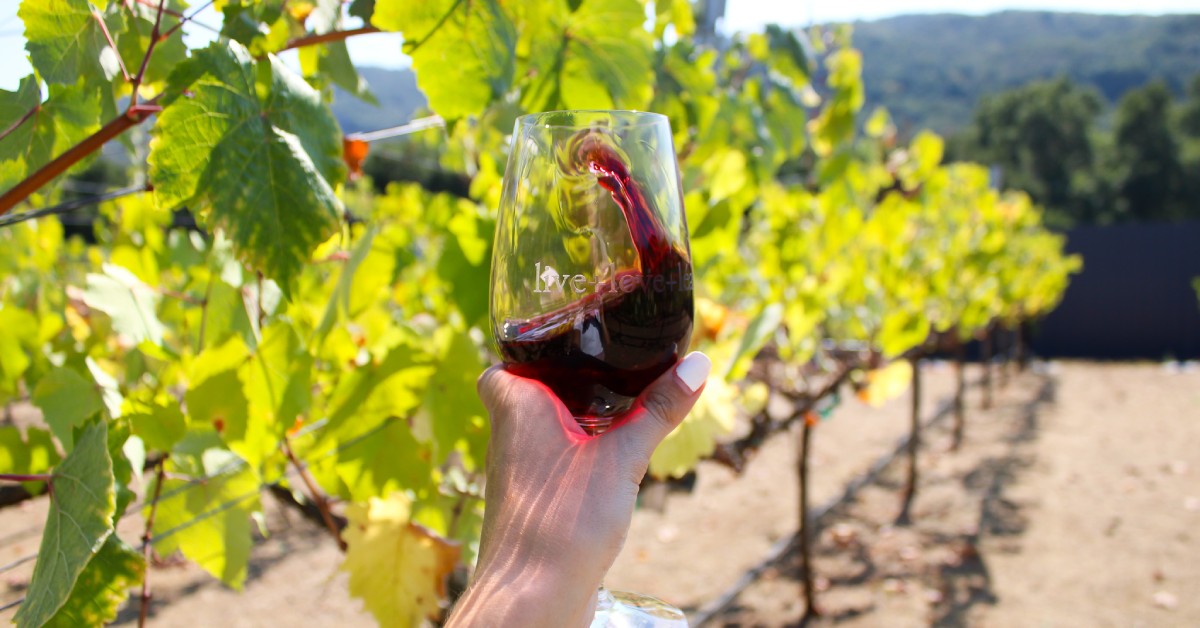
Beyond the soil, the farmer must manage the canopy—the leaves that cover the grapes. It works as a balancing act. The leaves act as the engine of the plant, performing photosynthesis to create sugar. However, too many leaves create shade, which can prevent the grapes from ripening fully or encourage mold and mildew. Farmers meticulously trim leaves and position shoots to guarantee the fruit gets just the right amount of dappled sunlight and airflow. This attention to detail in the field directly translates to the complexity you taste later.
Respecting the Land Through Sustainable Farming
You hear the word sustainable often these days, but in the world of wine, it represents a necessary philosophy rather than just a buzzword. Farmers who view their land as a legacy understand that they must put back what they take out. Healthy vines require a healthy ecosystem, and modern viticulture increasingly leans toward practices that support biodiversity.
Farmers often plant cover crops between the vine rows. Instead of bare dirt, you might see mustard, clover, or beans growing. These plants prevent soil erosion, fix nitrogen in the soil naturally, and provide a habitat for beneficial insects. These good bugs help control the populations of bad bugs that might damage the vines, reducing the need for chemical intervention.
Composting also plays a huge role. After the winery presses the grapes, the leftover skins, seeds, and stems go back to the earth. The farm composts this organic matter and returns it to the vineyard floor as nutrient-rich fertilizer. This cycle minimizes waste and feeds the soil microbiome. When you drink wine from a producer who prioritizes the land, you taste the result of a living, breathing ecosystem that the farmer has worked hard to protect.
Decoding the Mystery of Terroir
If you hang around wine lovers long enough, you will hear the word terroir. It sounds fancy, but it holds a simple definition. Terroir refers to the complete natural production environment, including factors such as the soil, topography, and climate.
Think about a tomato you grow in your backyard versus one you buy at a supermarket. They might be the same seed, but the specific patch of dirt, the amount of rain your garden received, and the particular angle of the sun in your yard give your tomato a distinct flavor profile. Wine works the same way, but on a hyper-sensitive level.
A Pinot Noir grown in a cool, foggy coastal valley will taste drastically different from a Pinot Noir grown in a warm, inland valley, even if the winemaker uses the same equipment. The cool climate preserves acidity and creates delicate red fruit flavors. The warm environment boosts sugar accumulation, resulting in higher alcohol and darker, jamier fruit notes.
The farmer does not create terroir, but they act as its interpreter. By choosing which variety to plant on which slope and deciding how to orient the rows to catch the sun, the farmer amplifies the voice of the land. When you sip a wine that truly speaks of its origin, you are experiencing a successful partnership between the steward of the land and nature itself.
The High Stakes of the Harvest
All the hard work of the growing season culminates in the harvest. This period brings intense energy, long hours, and high stakes. The decision of when to pick the grapes determines the final style of the wine more than any other choice.
As grapes ripen, their sugar levels rise, and their acidity levels drop. The farmer looks for the physiological sweet spot where the flavors taste fully developed, the tannins feel ripe rather than green and harsh, and the acidity remains bright enough to provide structure. Picking too early results in a wine that tastes thin and sour. Picking too late yields a wine that tastes flat and flabby.
Farmers often harvest at night or in the very early hours of the morning. Cool grapes maintain their integrity better during transport to the winery. Warm grapes can start to ferment spontaneously or oxidize before they even reach the press, which can ruin the delicate aromas the farmer worked all season to cultivate. The hustle of the harvest crew, the rumble of the tractors, and the smell of sticky grape juice in the cooler morning air mark the transition from agriculture to winemaking.
Bringing It All Together at the Table
Understanding the agricultural roots of wine makes the drinking experience so much richer. It connects you to a specific place and a specific year. When you visit a tasting room, you have the unique opportunity to see this connection firsthand.
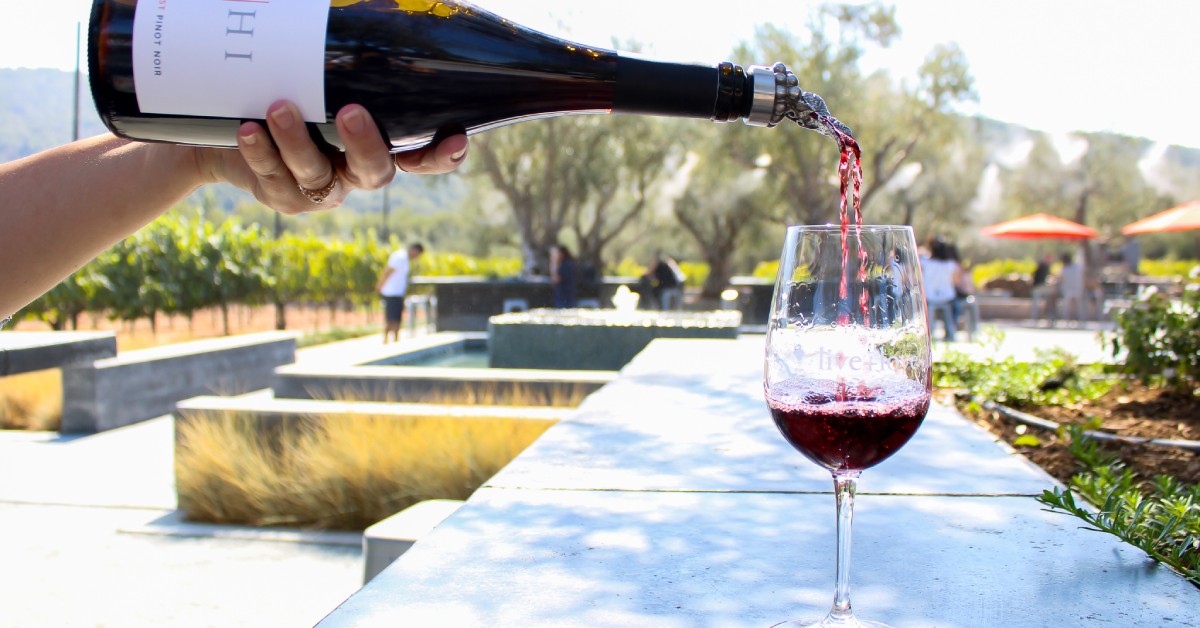
For example, when you visit our vineyard in Morgan Hill, CA, you see that the experience extends beyond the glass. The agricultural spirit permeates everything. At MOHI Ranch, the concept of "farm-to-table" comes to life quite literally. You can sit in the Barrel Room or relax under the olive groves and see the vegetable gardens that provide the fresh produce for your plate.
We believe that wine belongs with food. The acidity in wine cuts through rich flavors, while the tannins clear the palate. Imagine sitting on the patio with a glass of our bold Cabernet Sauvignon. You pair it with a charcuterie board featuring meats and cheeses that complement those deep fruit notes. Or perhaps you choose a crisp white wine to go alongside a flatbread topped with veggies grown just a few yards away.
This proximity matters. When the distance between the farm and the table shrinks, the quality creates a noticeable difference. You taste the season. You feel the atmosphere of the ranch. The olive trees, the vineyards, and the open farm landscapes work together to create an environment where you can slow down and appreciate the labor that went into every element of your meal.
The Cycle Continues
Agriculture demands patience. It operates on a timeline of seasons and years, not minutes and hours. A farmer plants a vine today knowing it might not produce premium fruit for several years. They care for the soil, knowing it must support the next generation.
Winemaking honors this long game. When you uncork a bottle, you release the sunlight from a summer past. You experience the result of a thousand small decisions made in the vineyard: the pruning, the irrigation, the canopy management, and the harvest timing.
So, the next time you pour a glass for yourself or friends, take a second to think about the connection between agriculture and winemaking. Think about the soil that held the roots. Think about the sun that ripened the skins. Remember that before it became a drink of leisure and celebration, it was a crop in a field, tended by people who love the land. Cheers to the farmers, the vines, and the beautiful connection that brings it all to your glass.